



T-type calcium channel
T-type calcium channels (CaV3.1-CaV3.3) regulate calcium entry in a voltage-dependent manner and operate near resting membrane potential, enabling subthreshold depolarizations to control neuronal excitability[1][2]. Mechanistically, these channels facilitate action potential generation, rhythmicity, calcium-sensitive ion channels, signaling pathways, and macromolecular complexes[2][3]. In pain pathways, T-type channels, especially CaV3.2, regulate excitability in primary afferent neurons, spinal dorsal horn neurons, and pain-processing neurons in the midbrain and cortex[4]. Human dorsal root ganglion neurons express CaV3.2 in a TrkB-positive subset, and Z944 inhibits CaV3.2 currents whereas ABT-639 does not inhibit them in this human model[5]. Compared with CaV3.1 and CaV3.3, CaV3.2 shows isoform-selective regulation in sensory neurons, because melatonin receptor activation inhibited CaV3.2 but not CaV3.1 or CaV3.3 currents[6]. For experimental applications, selective inhibitors such as ML218 inhibit CaV3.1, CaV3.2, and CaV3.3 and reduce low-threshold spike and rebound burst activity in subthalamic neurons[7]. Cyclic peptide PnCS1 blocks the CaV3.1 conduction pathway and supports structure-based discovery of CaV3 channel inhibitors[8].
References:
- [1]. Giordanetto F, et al. T-type calcium channels inhibitors: a patent review. Expert Opin Ther Pat. 2011 Jan;21(1):85-101. [Content Brief]
- [2]. Jiang R, et al. Effectiveness of exercise on perinatal depression and anxiety symptoms: A network meta-analysis and dose-response analysis. Int J Gynaecol Obstet. 2026 Jun;173(3):1308-1324. [Content Brief]
- [3]. Iftinca M C. Neuronal T-type calcium channels: What's new? Iftinca: T–type channel regulation[J]. Journal of medicine and life, 2011, 4(2): 126.
- [4]. Harding EK, et al. Central and peripheral contributions of T-type calcium channels in pain. Mol Brain. 2022 May 2;15(1):39. [Content Brief]
- [5]. Chemin J, et al. Functional expression of the T-type Cav3.2 calcium channel in female and male human dorsal root ganglion neurons. Brain. 2026 Feb 7;149(2):680-694. [Content Brief]
- [6]. Zhang Y, et al. Melatonin-mediated inhibition of Cav3.2 T-type Ca2+ channels induces sensory neuronal hypoexcitability through the novel protein kinase C-eta isoform. J Pineal Res. 2018 May;64(4):e12476. [Content Brief]
- [7]. Xiang Z, et al. The Discovery and Characterization of ML218: A Novel, Centrally Active T-Type Calcium Channel Inhibitor with Robust Effects in STN Neurons and in a Rodent Model of Parkinson's Disease. ACS Chem Neurosci. 2011 Dec 21;2(12):730-742. [Content Brief]
- [8]. Depuydt AS, et al. Cyclic Peptides as T-Type Calcium Channel Blockers: Characterization and Molecular Mapping of the Binding Site. ACS Pharmacol Transl Sci. 2021 Jun 7;4(4):1379-1389. [Content Brief]
-
T-type calcium channel Related Products (48)
Related Products (48)

-
L-Ascorbic acid
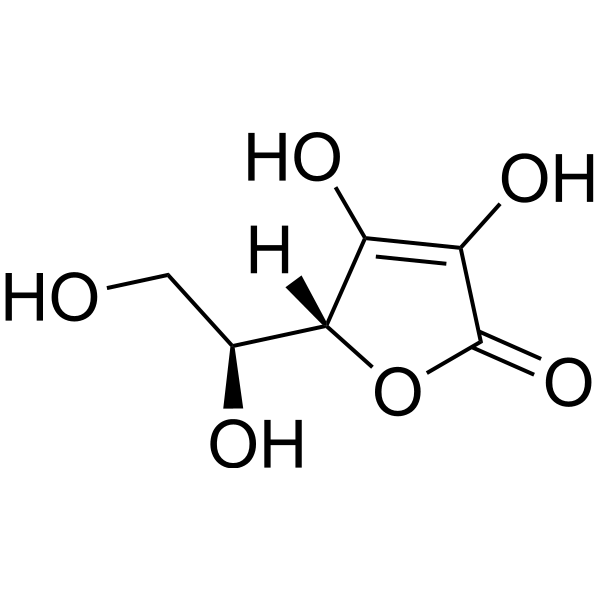 0 ImagesL-Ascorbic acid (L-Ascorbate), an electron donor, is an endogenous antioxidant agent. L-Ascorbic acid inhibits selectively Cav3.2 channels with an IC50 of 6.5 μM. L-Ascorbic acid is also a collagen deposition enhancer and an elastogenesis inhibitor. L-Ascorbic acid exhibits anti-cancer effects through the generation of reactive oxygen species (ROS) and selective damage to cancer cells.
-
L-Ascorbic acid sodium salt
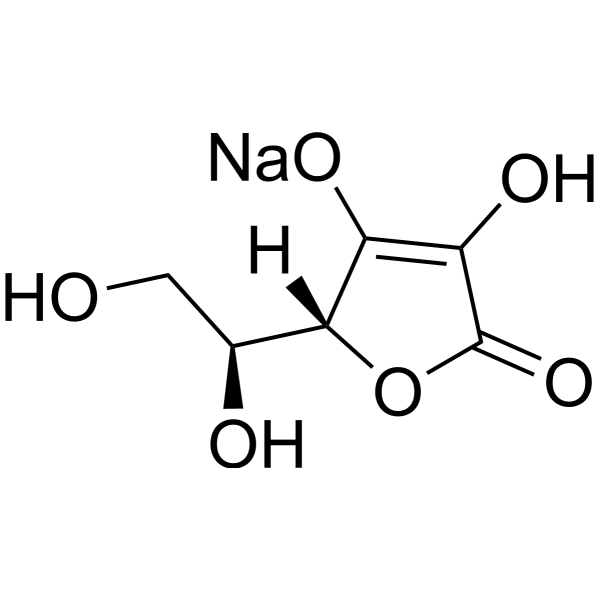 0 ImagesSynonyms: Sodium ascorbate; Sodium L-ascorbate; Vitamin C sodium saltL-Ascorbic acid sodium salt (Sodium ascorbate), an electron donor, is an endogenous antioxidant agent. L-Ascorbic acid sodium salt selectively inhibits Cav3.2 channels with an IC50 of 6.5 μM. L-Ascorbic acid sodium salt is also a collagen deposition enhancer and an elastogenesis inhibitor.
-
NNC 55-0396
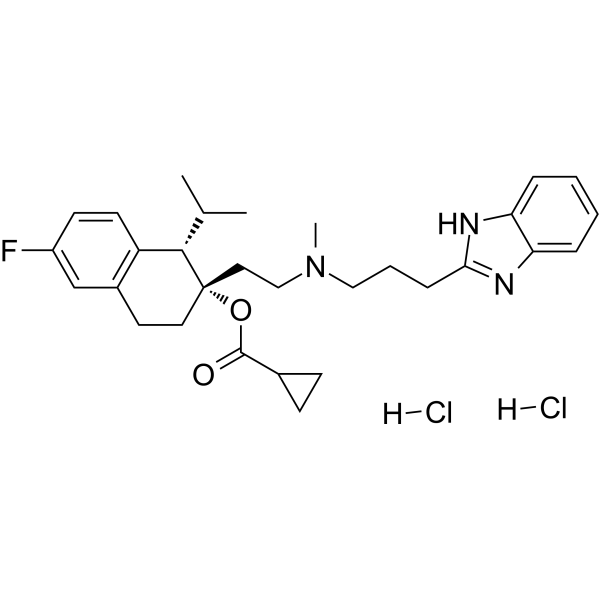 0 ImagesSynonyms: NNC 55-0396 dihydrochlorideNNC 55-0396 (NNC 55-0396 dihydrochloride) is a blood-brain-barrier-permeable T-type Ca2+ channel inhibitor and pan-P450 inhibitor. NNC 55-0396 selectively inhibits T-type Ca2+ channels, suppresses HIF-1α expression and stability and inhibits Kv currents. NNC 55-0396 reduces brain infarct and attenuates neurological dysfunction. NNC 55-0396 inhibits the activity of multiple P450 enzymes. NNC 55-0396 (free base) can be used for the research of brain injury, hypertension, and glioblastoma.
-
Manidipine dihydrochloride
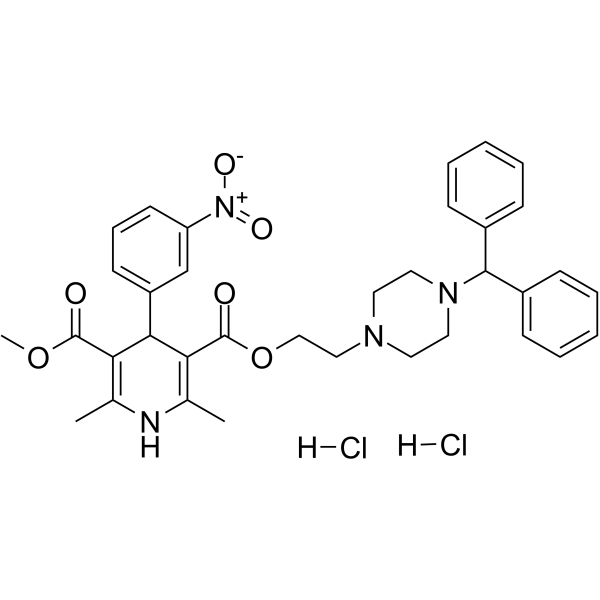 0 ImagesSynonyms: CV-4093Manidipine dihydrochloride is a third-generation, lipophilic, orally active and highly vasoselective calcium channel antagonist (IC50 = 2.6 nM in guinea-pig ventricular cells) and acts as an antihypertensive agent. Manidipine effectively reduces blood pressure as well as improving insulin sensitivity, renal protection, and antiatherosclerotic activity. Manidipine also exerts anti-inflammatory activity mediated by NF-κB and antiviral activity against many flavivirus and negative-strand RNA viruses through the inhibition of calcium channel. Manidipine is widely applied to research of cardiovascular, metabolic disease and infection.
-
Ethosuximide
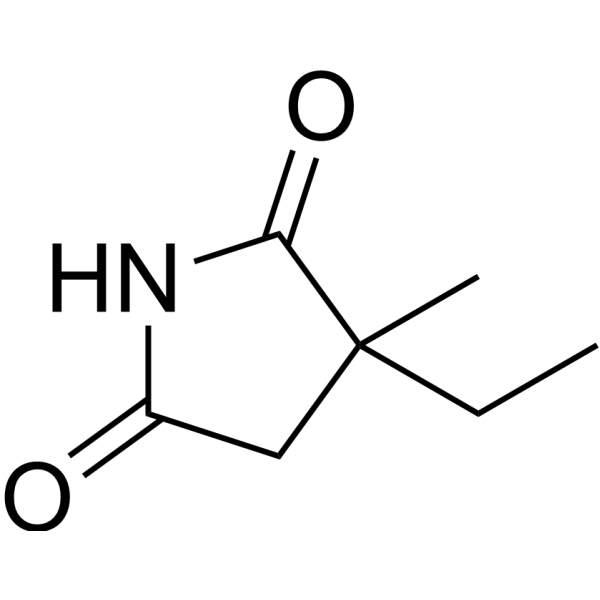 0 ImagesEthosuximide, a widely prescribed anti-epileptic agent, improves the phenotypes of multiple neurodegenerative disease models and blocks the low voltage activated T-type calcium channel.
-
Bepridil hydrochloride
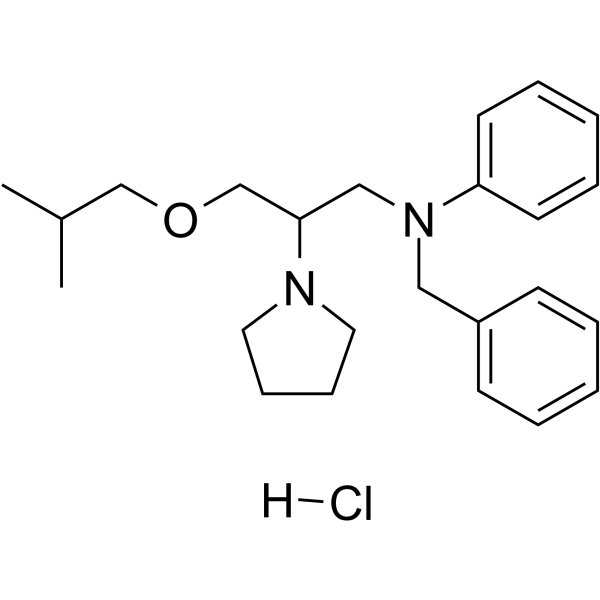 0 ImagesSynonyms: CERM 1978; Org 5730 hydrochlorideBepridil hydrochloride (CERM 1978; Org 5730 hydrochloride) is an orally active non-selective calcium channel antagonist with multi-ion channel blocking activity. Bepridil hydrochloride modulates Calmodulin, the 20S proteasome, T-type/L-type calcium channels, cardiac sodium channels, multiple potassium channels, γ-secretase, β-secretase, and mitoKATP/sarcKATP channels. Bepridil hydrochloride acts as a hydroxyl radical scavenger, regulates mitochondrial and intracellular calcium handling, and exerts antiarrhythmic, antianginal, and cardioprotective effects. Bepridil hydrochloride alters amyloid precursor protein processing, reduces β-amyloid and thalamic calcium levels, restores seladin-1/DHCR24 expression, and improves sensorimotor recovery after cerebral ischemia. Bepridil hydrochloride also exhibits potent inhibitory effects on SARS-CoV-2 replication. Bepridil hydrochloride is used in studies related to stable angina, arrhythmias, cerebral ischemia, Alzheimer's disease, and SARS-CoV-2 infection.
-
1-Octanol
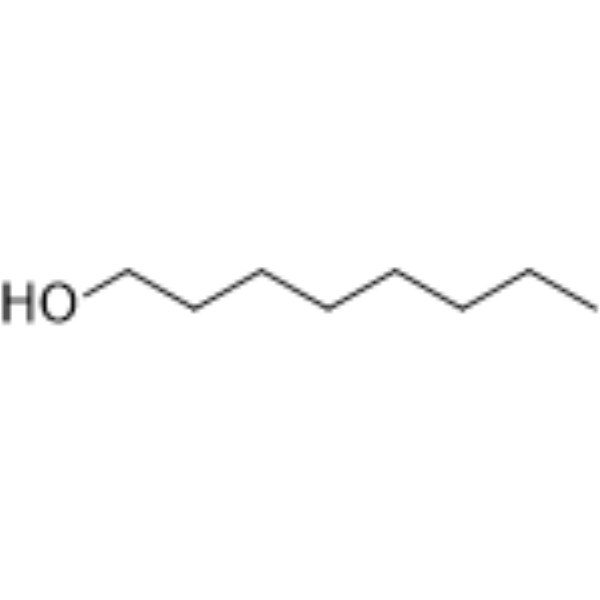 0 ImagesSynonyms: Octanol1-Octanol (Octanol), a saturated fatty alcohol, is a T-type calcium channels (T-channels) inhibitor with an IC50 of 4 μM for native T-currents. 1-Octanol is a highly attractive biofuel with diesel-like properties.
-
Ulixacaltamide
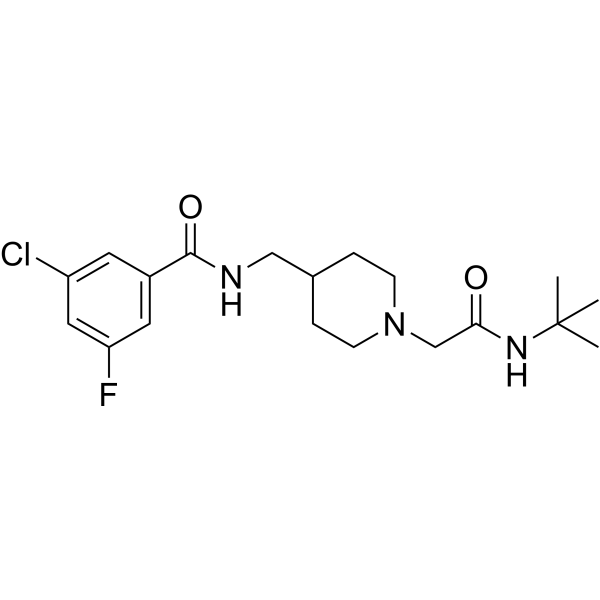 0 ImagesSynonyms: Z944; PRAX-944Ulixacaltamide (Z944) is an orally available T-type calcium channel antagonist that can slow the progression of epilepsy. Ulixacaltamide effectively reduces tremor in a normal alkaline tremor animal model. Ulixacaltamide reverses thermal hyperalgesia and mediates pain relief.
-
Trimethadione
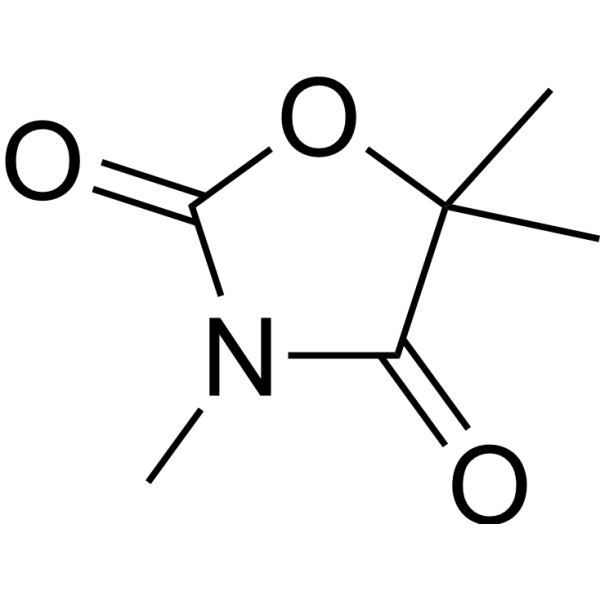 0 ImagesTrimethadione (3,5,5,-Trimethyloxazolidine-2,4-dione) is an oxazolidinedione anticonvulsant agent widely used against absences seizures. Trimethadione also is a T-type calcium channel blocker which has antihyperalgesic effects.
-
Mibefradil dihydrochloride
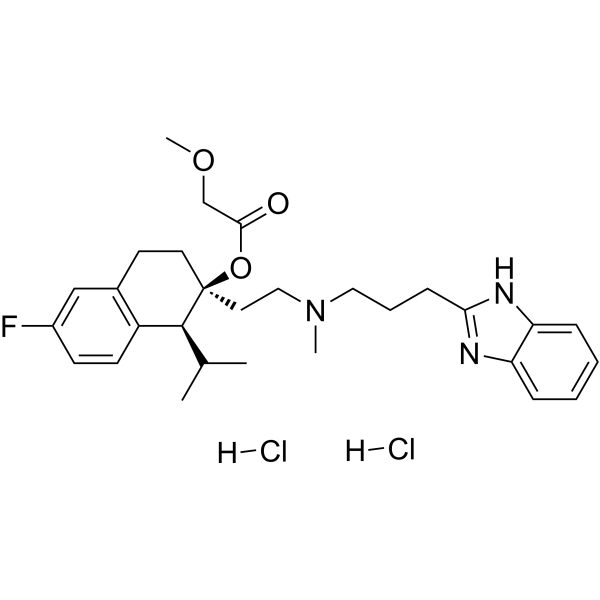 0 ImagesSynonyms: Ro 40-5967 dihydrochlorideMibefradil dihydrochloride (Ro 40-5967 dihydrochloride) is a calcium channel blocker with moderate selectivity for T-type Ca2+ channels (IC50s of 2.7 μM and 18.6 μM for T-type and L-type currents, respectively).
-
TTA-A2
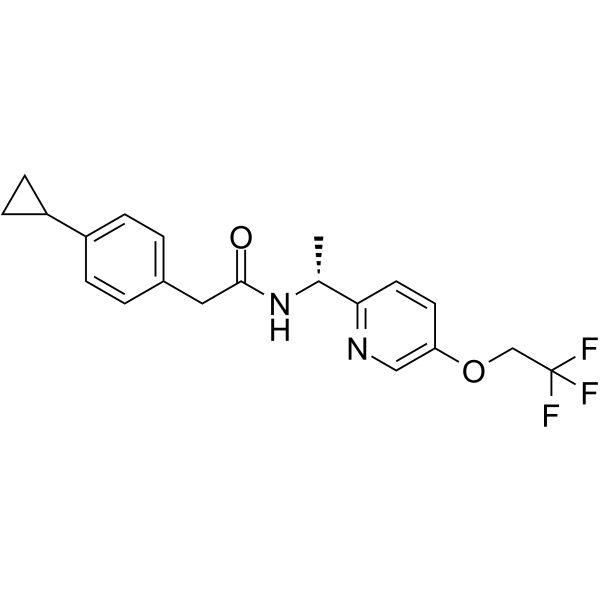 0 ImagesTTA-A2 is a potent, selective and orally active t-type voltage gated calcium channel antagonist with reduced pregnane X receptor (PXR) activation. TTA-A2 is equally potent against the Cav3.1 (a1G) and Cav3.2 (a1H) channels with IC50 values of 89 nM and 92 nM, respectively, at -80 and -100 mV holding potentials. TTA-A2 can be used for the research of a variety of human neurological diseases, including sleep disorders and epilepsy.
-
Flunarizine dihydrochloride
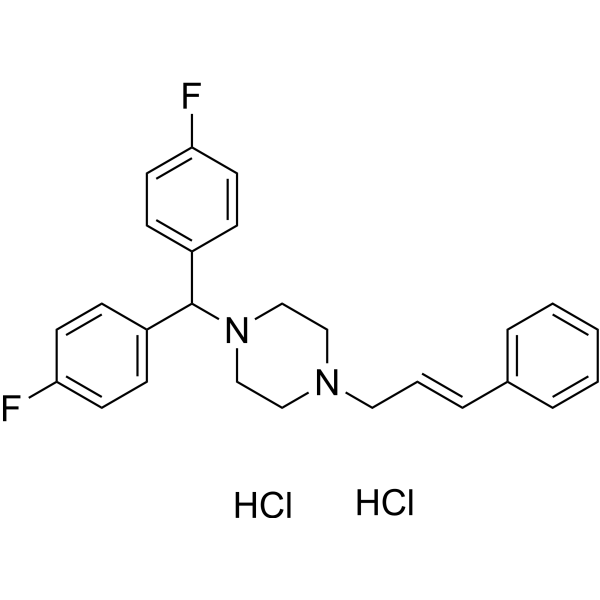 0 ImagesFlunarizine dihydrochloride is a potent dual Na+/Ca2+ channel (T-type) blocker. Flunarizine dihydrochloride is a D2 dopamine receptor antagonist. Flunarizine dihydrochloride shows anticonvulsive and antimigraine activity, and peripheral vasodilator effects.
-
TTA-P2
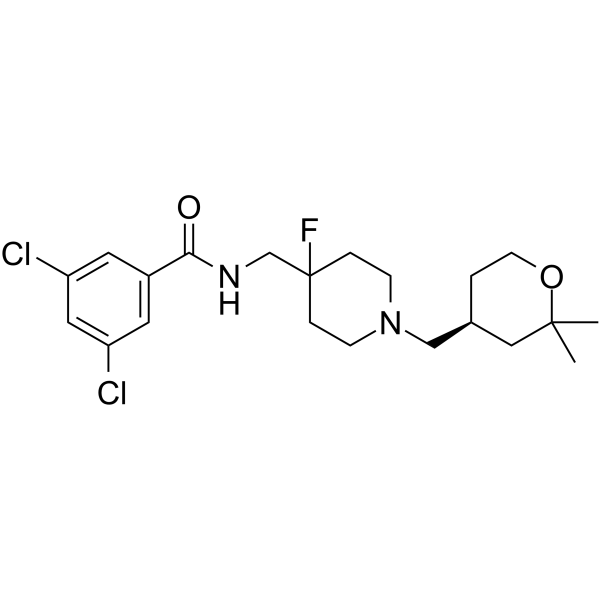 0 ImagesSynonyms: T-Type calcium channel inhibitorTTA-P2 (T-Type calcium channel inhibitor) is a selective, orally active, and BBB-penetrant T-type calcium channel blocker (IC50 = 22 nM). TTA-P2 reduces mechanical hypersensitivity and alleviates acute as well as chronic pain. TTA-P2 significantly reduces firing rates in temporal lobe epilepsy (TLE) neurons to control levels and suppresses synaptically evoked burst firing. TTA-P2 can be studied in research for neurological diseases such as tremor and absence epilepsy< sup>[4].
-
ML218
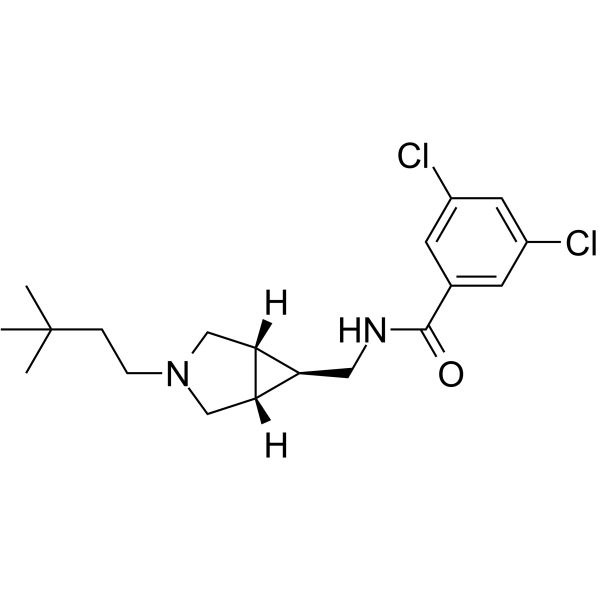 0 ImagesML218 is a potent, selective and orally active T-type Ca2+ channels (Cav3.1, Cav3.2, Cav3.3) inhibitor with IC50s of 310 nM and 270 nM for Cav3.2 and Cav3.3, respectively. ML218 inhibits the burst activity in subthalamic nucleus (STN) neurons. ML218 has no significant inhibition of L- or N-type calcium channels, KATP or hERG potassium channels. ML218 can penetrate the blood-brain barrier.
-
Lomerizine dihydrochloride
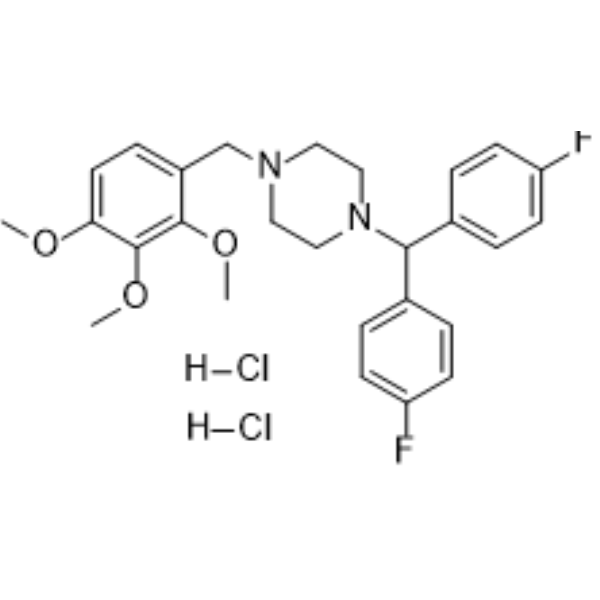 0 ImagesSynonyms: KB-2796Lomerizine dihydrochloride is an antagonist of L- and T-type voltagegated calcium channels.
-
SAK3
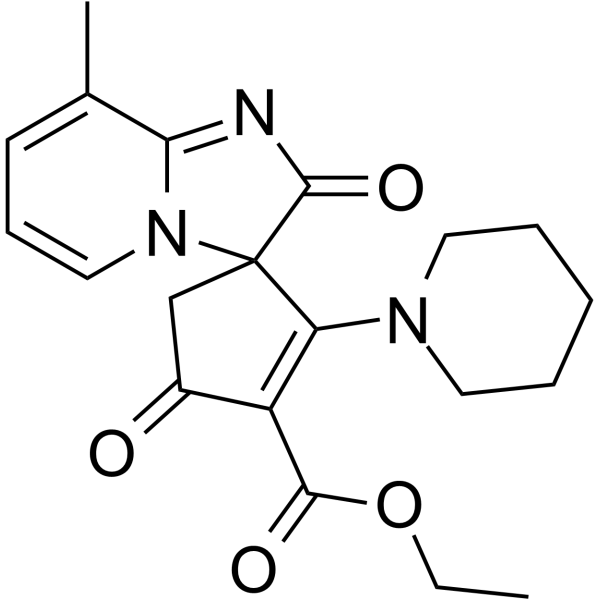 0 ImagesSAK3 is a potent T-type voltage-gated Ca2+ channels (T-VGCCs) enhancer. SAK3 enhances Cav3.1 and Cav3.3 T-type Ca2+ channel currents. Acute SAK3 administration improves memory deficits in olfactory-bulbectomized mice. SAK3 inhibits amyloid β plaque formation in APP-KI mice by activating the proteasome activity.
-
Suvecaltamide
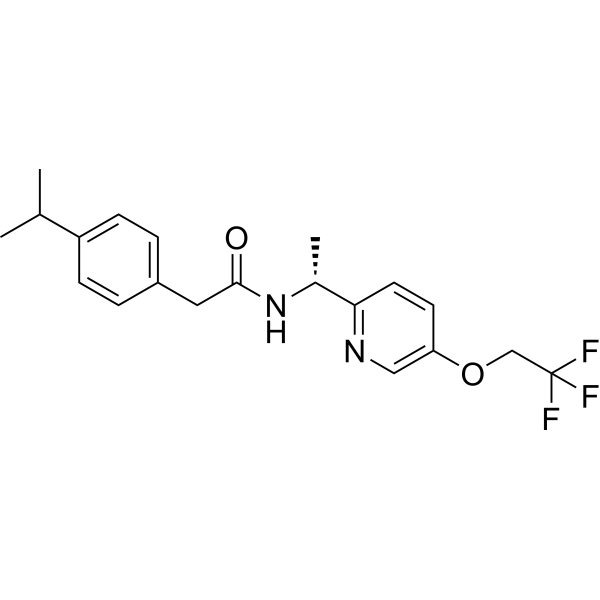 0 ImagesSynonyms: MK-8998; CX-8998; JZP385Suvecaltamide (MK-8998) is a selective T-type calcium channel inhibitor with oral efficacy. Suvecaltamide exhibits no cytotoxicity in myeloma cell lines and does not affect the antitumor efficacy of Bortezomib (BTZ). Suvecaltamide reverses BTZ-induced peripheral neuropathy (CIPN) in mouse and rat models, and helps inhibit myeloma growth.
-
Bepridil hydrochloride hydrate
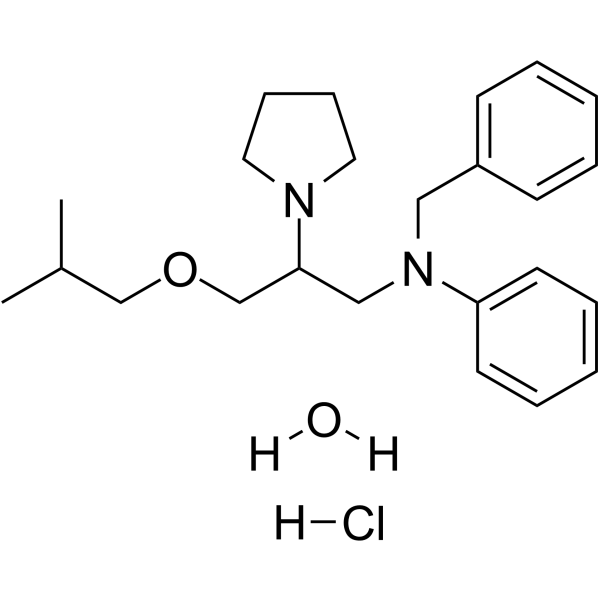 0 ImagesSynonyms: CERM 1978 hydrate; Org 5730 hydrochloride hydrateBepridil hydrochloride hydrate (CERM 1978 hydrate; Org 5730 hydrochloride hydrate) is an orally active non-selective calcium channel antagonist with multi-ion channel blocking activity. Bepridil hydrochloride hydrate modulates Calmodulin, the 20S proteasome, T-type/L-type calcium channels, cardiac sodium channels, multiple potassium channels, γ-secretase, β-secretase, and mitoKATP/sarcKATP channels. Bepridil hydrochloride hydrate acts as a hydroxyl radical scavenger, regulates mitochondrial and intracellular calcium handling, and exerts antiarrhythmic, antianginal, and cardioprotective effects. Bepridil hydrochloride hydrate alters amyloid precursor protein processing, reduces β-amyloid and thalamic calcium levels, restores seladin-1/DHCR24 expression, and improves sensorimotor recovery after cerebral ischemia. Bepridil hydrochloride hydrate also exhibits potent inhibitory effects on SARS-CoV-2 replication. Bepridil hydrochloride hydrate is used in studies related to stable angina, arrhythmias, cerebral ischemia, Alzheimer's disease, and SARS-CoV-2 infection.
-
Apinocaltamide
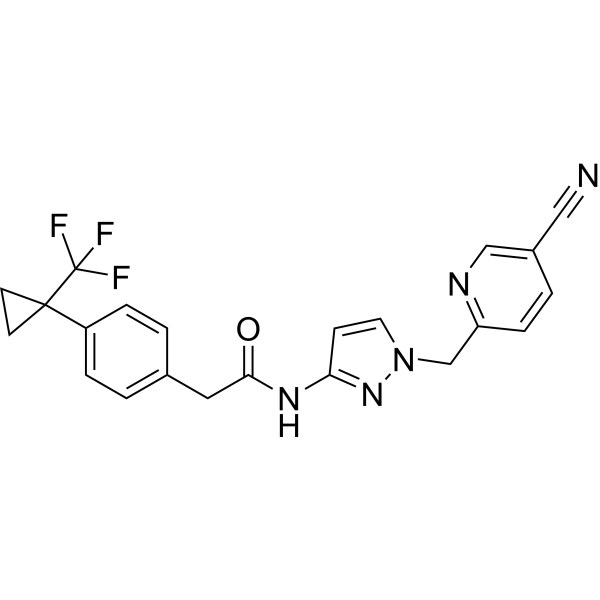 0 ImagesSynonyms: ACT-709478Apinocaltamide (ACT-709478) is a potent, selective, orally active, and brain penetrating T-type calcium channel blocker. ACT-709478 is used in the research of generalized epilepsies.
-
Efonidipine hydrochloride monoethanolate
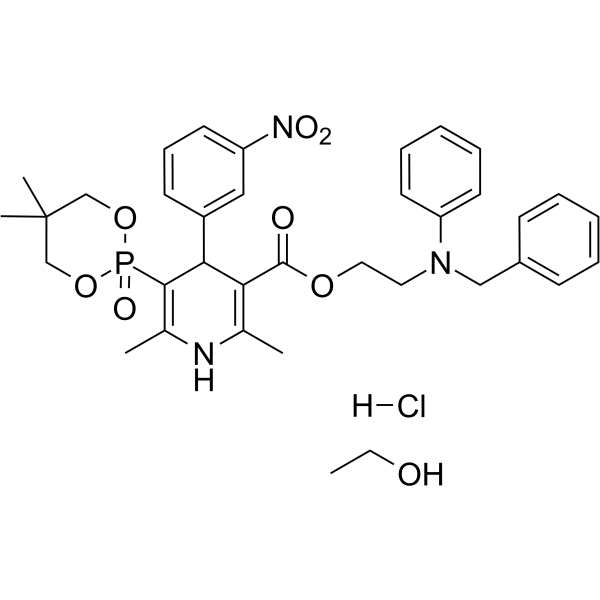 0 ImagesSynonyms: NZ-105 hydrochloride monoethanolate; (±)-Efonidipine hydrochloride monoethanolateEfonidipine (NZ-105) hydrochloride monoethanolate is an orally active dual L-type and T-type calcium channel blocker (CCB) with IC50 values of 1.8 and 350 nM, respectively. Efonidipine hydrochloride monoethanolate inhibits SARS-CoV-2 main protease. Efonidipine hydrochloride monoethanolate modulates adrenal steroidogenesis by increasing the expression of steroidogenic acute regulatory protein (StAR), dbcAMP-or angiotensin II-induced StAR mRNA expression and DHEA-S production, while suppressing the biosynthesis of aldosterone and cortisol. Efonidipine hydrochloride monoethanolate reduces plasma aldosterone levels in vivo. Efonidipine hydrochloride monoethanolate improves cardiac function in heart failure models by inhibiting T-type calcium channels (via both tonic and use-dependent blockade), independently of blood pressure reduction. Efonidipine hydrochloride monoethanolate can be used for research in hypertension, heart failure, and disorders involving dysregulated steroid hormone synthesis.



